
For years, Navi Mumbai occupied an uncertain position in the minds of buyers. Too far to feel convenient, too urban to feel like an escape, and too early to feel like a settled second-home destination.
That perception is changing — not because of marketing or speculative noise, but because the fundamentals around access, planning, and usability are shifting in a meaningful way.
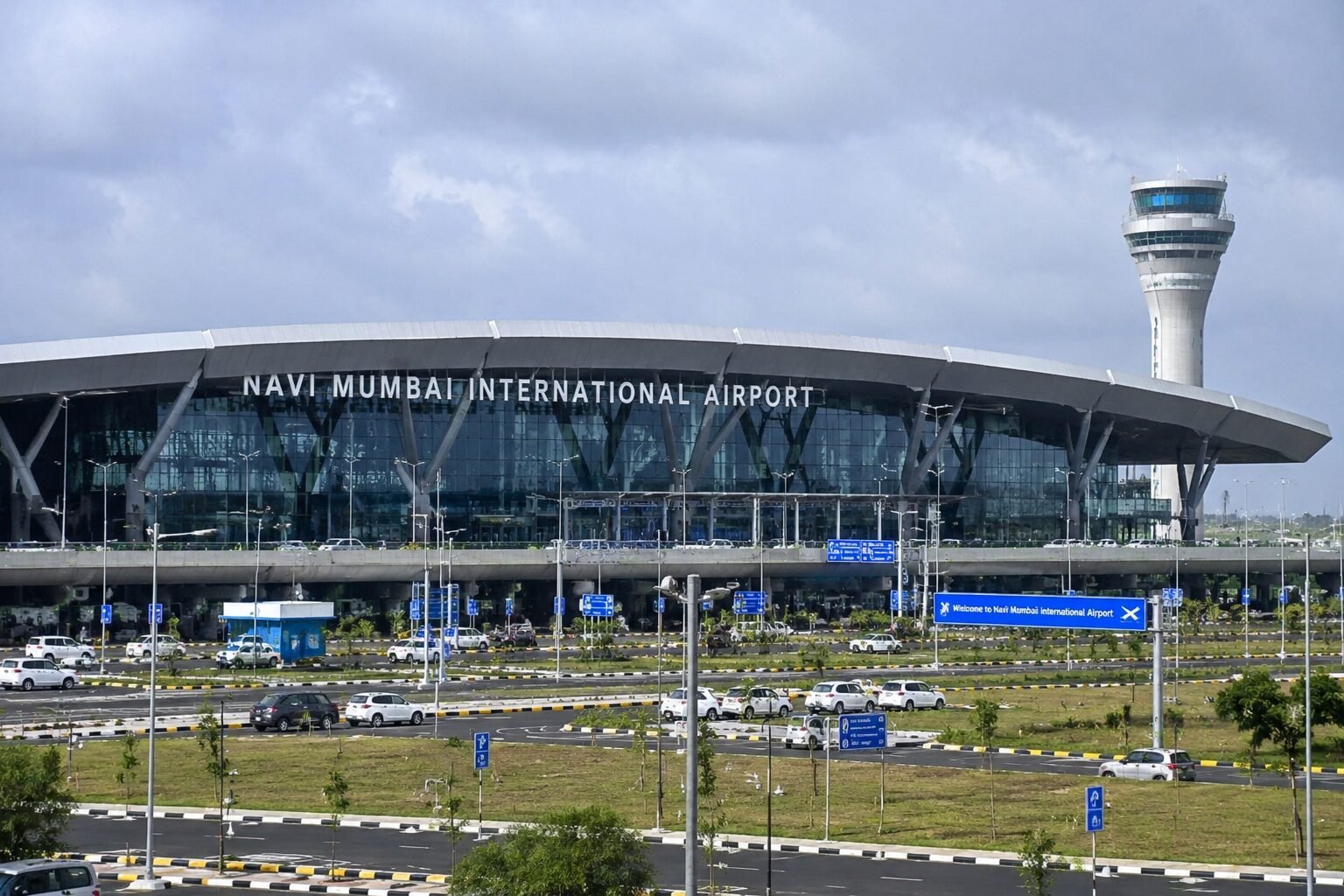
The operationalisation of the Navi Mumbai International Airport, combined with long-term planning initiatives such as NAINA and the broader “Mumbai 3.0” vision, has quietly altered how families, professionals, and long-term buyers evaluate this region.
What is equally important — and often overlooked — is that this change is not driven only by Mumbai-based buyers. Increasingly, Pune-based professionals and families are also evaluating Navi Mumbai as a second-home option, because it now fits into how they travel, live, and plan ahead.
What a Second Home Actually Means Today
A second home today is no longer just a weekend getaway. For most serious buyers, it plays multiple roles across life stages.
- A fallback base close to a major city or airport
- A future retirement or semi-retirement option
- An asset that can be used, rented, or held depending on circumstances
- A hedge against being tied to only one city
This is why connectivity matters more than scenic brochures. A second home that is difficult to reach eventually stops being used — regardless of how attractive it once seemed.
Why the Airport Changes Behaviour, Not Just Prices
Airports do more than move aircraft. They reshape how people move, plan, and prioritise locations.
When an international airport becomes operational, emergency access improves, weekend usability increases, and service ecosystems follow.
The Navi Mumbai International Airport does not merely decongest Mumbai’s older airport — it repositions Navi Mumbai as a functional, reachable, and reliable zone for long-term holding and living.
Why Pune Buyers Are Looking at Navi Mumbai
For many Pune residents, accessing Mumbai’s existing international airport has always been time-consuming and unpredictable.
With the Navi Mumbai International Airport located closer to the Mumbai–Pune Expressway axis, the travel equation has changed. For several Pune-based families, reaching Navi Mumbai now feels more practical than navigating deep into Mumbai.
This has made Navi Mumbai a viable second-home base for Pune professionals — especially those who travel internationally, work in hybrid roles, or want a future-ready family fallback location.
NAINA and the Mumbai 3.0 Planning Lens
NAINA — the Navi Mumbai Airport Influence Notified Area — represents structured government-led planning rather than organic sprawl.
It is designed around transport corridors, future residential zones, and industrial and logistics hubs, creating an ecosystem rather than isolated projects.
This kind of planning matters for second-home buyers because planned regions age better, attract services gradually, and provide long-term clarity even when development unfolds in phases.
Second Homes Versus Speculation
The airport attracts both long-term buyers and short-term speculators. The outcomes for each are very different.
Second-home buyers prioritise usability, access, legal clarity, and patience. Speculative buyers chase quick appreciation and entry pricing.
Historically, regions like Navi Mumbai reward the former far more consistently than the latter.
Land, Plots, and Homes — Choosing the Right Format
Plots work best for patient buyers comfortable with phased construction and longer holding periods. Ready homes suit those seeking immediate use or rental fallback.
Many buyers adopt a hybrid approach — securing land early and building gradually — provided access, zoning, and documentation are clean.
Sector-Level Reality Check
Panvel: Practical, versatile, and well-connected. Suitable for both Pune and Mumbai buyers.
Ulwe: Strong connectivity but higher density; better for compact second homes.
Dronagiri: Long-term horizon; not ideal for immediate use.
Kharghar: Mature infrastructure, higher stability, less speculative.
A Measured 3–5 Year Outlook
Price appreciation rarely moves in straight lines. Infrastructure-led regions experience phased growth, selective appreciation, and eventual stabilisation.
Over a 3–5 year horizon, well-chosen pockets aligned with access and livability may see value appreciation — but only when supported by genuine demand and usage.
Risks and Limits
- Infrastructure timelines can slip
- Some pockets may overprice early
- Legal verification is non-negotiable
- Not every project suits second-home use
WhatsApp Now →
Sources and Public References
Infrastructure progress and planning direction discussed above have been reported by publications such as Hindustan Times, The Indian Express, and government planning disclosures relating to the Navi Mumbai International Airport and NAINA notifications.
Final Advisory Thought
Second homes are not shortcuts. They are long conversations with time.
Navi Mumbai rewards patience, clarity, and disciplined selection — not urgency. For those who approach it thoughtfully, usability and long-term value can align naturally.